
Gifu's Famous Craft Items
美濃焼(みのやき)
Mino pottery
Source:
https://www.minoyaki.gr.jp/craft
https://www.k-ogiso.co.jp/dictionary/history/
【History】
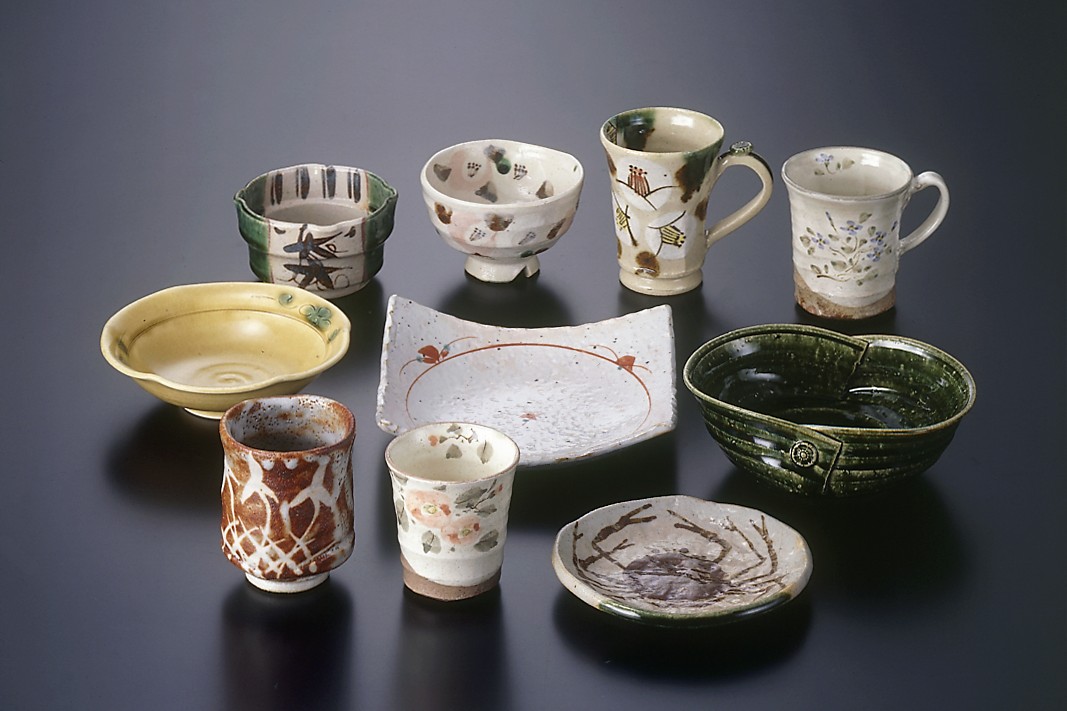
Mino ware is one of Japan’s leading ceramics with a history of over 1,300 years, and it originated in the Tōnō region of present-day Gifu Prefecture (including Tajimi City, Toki City, Mizunami City, and Kani City).It is said to have begun with the firing of Sue ware (sueki) — a hard type of pottery introduced from the Korean Peninsula — in anagama (cave kilns) built into the mountain slopes.
Throughout its long history, Mino ware has not been bound by any particular style and has produced a wide variety of pottery in response to the changing times.As a result, it has become a major production area that accounts for more than 50% of Japan’s ceramic output today.In addition, 15 types of Mino ware have been designated by the government as Traditional Crafts of Japan, making it a representative example of Japan’s ceramic culture.
【Characteristics】
The greatest feature of Mino ware lies in its variety of styles and richness of expression. Among them, the following four are the most representative:
Oribe ware (織部焼 / Oribeyaki)
Characterized by a deep green glaze and geometric designs. There are also variations such as Kuro-Oribe (Black Oribe) and Ao-Oribe (Blue Oribe).
Setoguro (瀬戸黒 / Setoguro)
Covered entirely with a black glaze, this style is also called Tenshōguro or Hikidashiguro due to its unique method of being pulled out from the kiln while still red-hot.
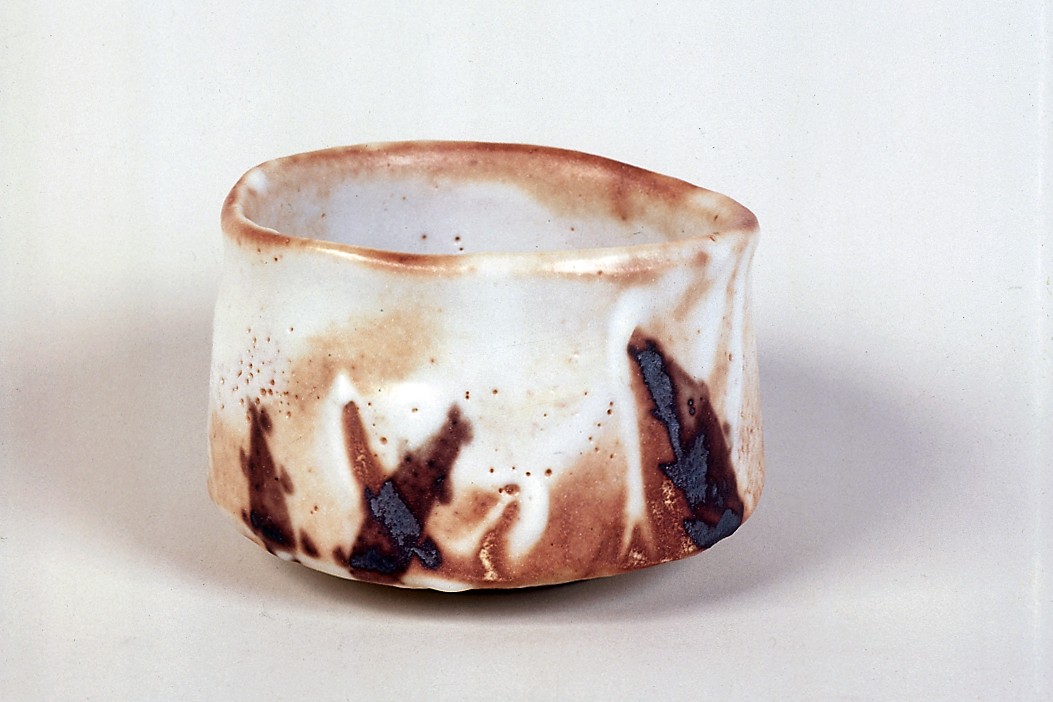
Shino ware (志野焼 / Shinoyaki)
The charm lies in the patterns applied beneath the glaze and the soft reddish tones and foamy texture created by the feldspar glaze. It is also known as Japan’s first white pottery.
Kizeto (黄瀬戸 / Kizeto)
Characterized by a simple yet warm yellow color, Kizeto has been attracting renewed attention in recent years. Its modest yet elegant beauty is especially appealing.
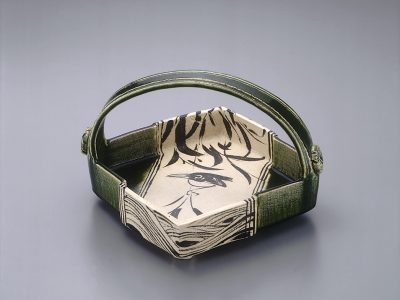
Oribeyaki
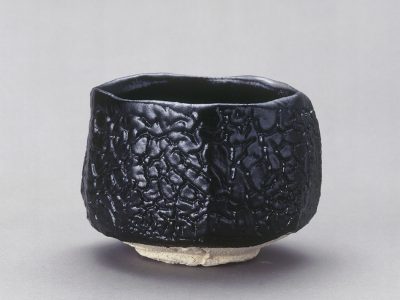
Setoguro
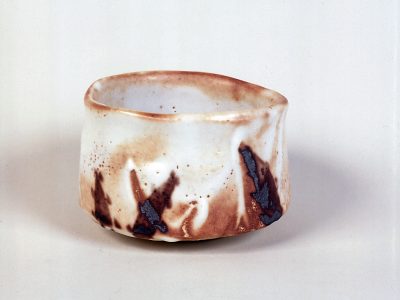
Shinoyaki
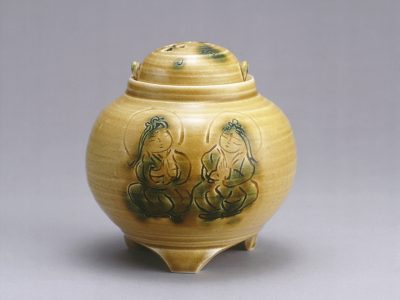
Kizeto
郡上本染(ぐじょうほんぞめ)
Gujō Honzome
Source:
http://www.gujozome.jp/
https://www.jtco.or.jp/japanese-crafts/?act=detail&id=266
【History】
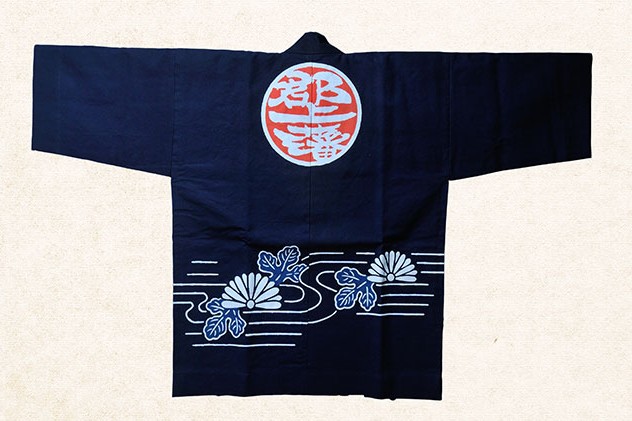
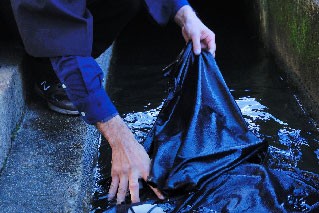
Gujō Honzome is a traditional Japanese “Shōaizome” (true indigo dyeing) that has continued for over 400 years since the Edo period (1603–1868).Shōaizome refers to a traditional dyeing technique using natural indigo as the raw material.
Originally, the technique centered on indigo dyeing, including items such as koinobori (carp-shaped flags displayed in yards to wish for children’s healthy growth and success in life). The name “Gujō Honzome” was given around the Showa 40s (circa 1965).
To this day, it has been preserved as the only Honzome technique in Gifu Prefecture.
【Characteristics】
Gujō Honzome is a dyeing technique with a history of approximately 430 years, designated as an Important Intangible Cultural Property of Gifu Prefecture.
The natural indigo dye emits a smell that acts as an insect repellent, so during the Edo period (1603–1868), it was widely used in farm work clothes, firefighters’ coats (happi), and expensive kimono furoshiki for protection against insects, becoming an essential part of everyday life.
Moreover, the color changes from deep indigo to blue over time, and this shade of true indigo, known as “Japan Blue”, is highly regarded overseas as well.