
Mie's Famous Craft Items
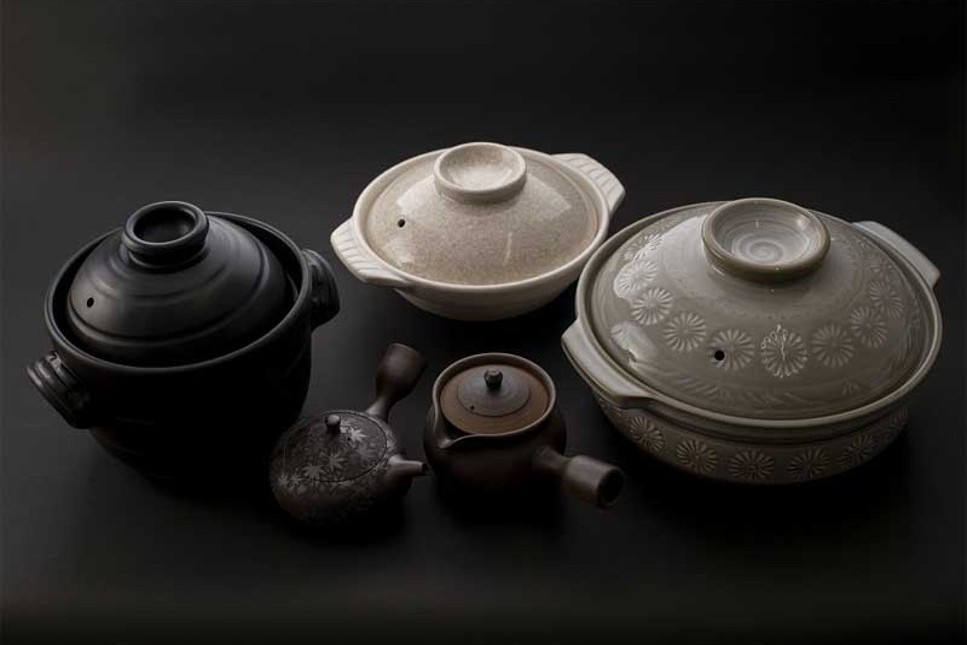
萬古焼(ばんこやき)
Banko ware
Source:
https://ryuryoku.com/1804.html
https://kogeijapan.com/locale/ja_JP/yokkaichibankoyaki/
【History】
Banko ware Rōzan stamped his works with the seal “Banko” or “Banko Fueki” meaning “eternally unchanging” to express his wish that his pottery would remain unchanged for eternity. This is said to be the origin of the name Banko ware.
Today, around mid-May each year, the Banko Festival is held near Banko Shrine in Yokkaichi City. Numerous works by local kilns and potters are displayed and sold at reasonable prices, attracting visitors from all over Japan.
【Characteristics】
High Heat Resistance and Unique Techniques
Banko ware is known as Japan’s leading production center for earthenware pots (donabe), accounting for about 80–90% of domestic donabe production.
In Yokkaichi Banko ware, about 40% lithium ore is mixed into the clay, giving it exceptional heat resistance that can withstand direct flame and dry heating.
This manufacturing method is a patented technology unique to Yokkaichi Banko ware and is not seen elsewhere.
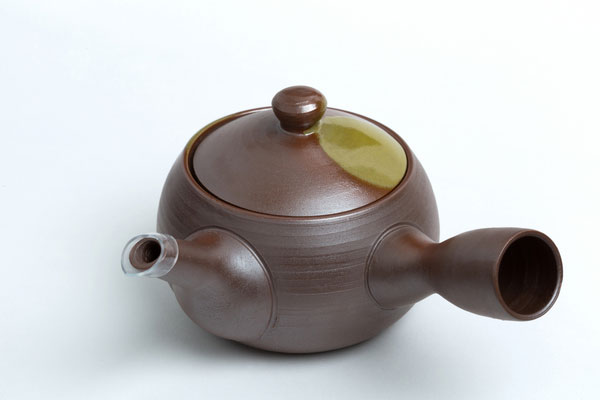
The Deep Flavor of Shidei Teapots
For teapots, a clay called “shidei”, rich in iron, is used. During firing, it reacts with the flames to produce a distinctive color and texture.
The more the teapot is used, the more beautiful its luster becomes, gradually developing a deeper, more refined appearance — one of the key charms of Banko ware.
伊勢木綿(いせもめん)
Ise Momen
Source:
https://isemomen.com/kimono/
https://kimonoomohi.com/kind/isemomen/
https://www.jtco.or.jp/japanese-crafts/?act=detail&id=225
【History】
In the Nara period (710–794), the Yamato Court introduced the technique of brocade weaving, and in the Muromachi period (1336–1573), cotton seeds were brought to Japan. The Ise region became a major production area, blessed with suitable soil, water, climate, and winter fertilizer in the form of sardines.
From the 17th century onward, Ise’s Shirakumoori (White Cloud Weave), together with Ise Sarashi (bleached cotton), became famous. Striped patterns were also woven, and cotton from the Ise region came to be called “Ise Momen”. Merchants handled it in large quantities at the Ise store in Edo’s Odenma-cho, and its sales network extended as far as Tohoku and Hokkaido.
【Characteristics】
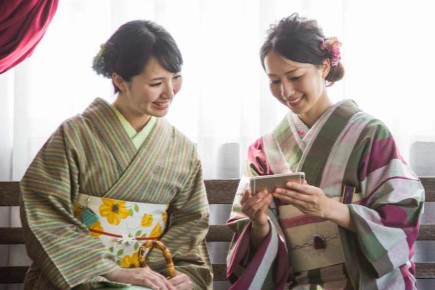
Unlike ordinary cotton, which becomes stiff after washing, Ise Momen becomes softer with each wash, developing a superb texture and a rustic feel like antique cloth.
The threads used for Ise Momen are called “tanshi” (single threads), which are single spun threads twisted from cotton fibers.
Since Ise Momen is cotton kimono fabric, it can be washed at home. It can be placed in a large laundry net and washed gently using the washing machine’s delicate cycle.
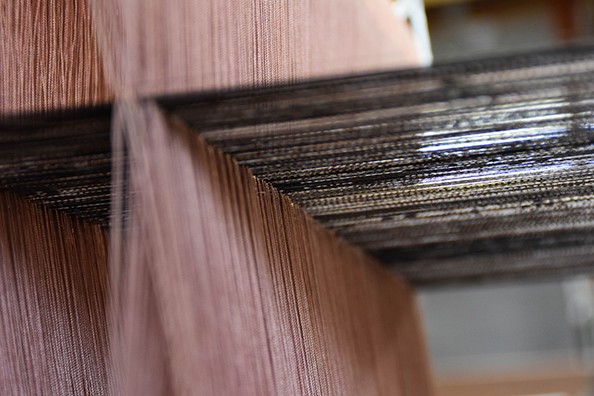
Currently, only one workshop, Usui Shokufu, continues production. Even today, cotton is woven using a Toyota-style automatic loom from the Meiji era.
Because Ise Momen is woven with soft threads twisted from cotton fibers (“tanshi”), modern high-speed looms cannot weave it, as the threads would break.