
Shizuoka's Famous Craft Items
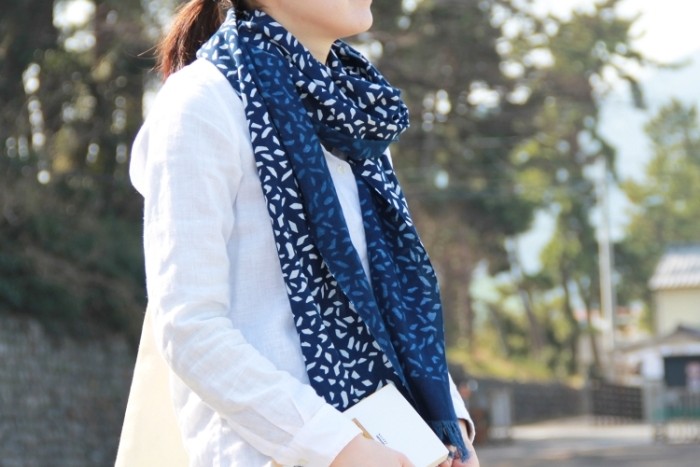
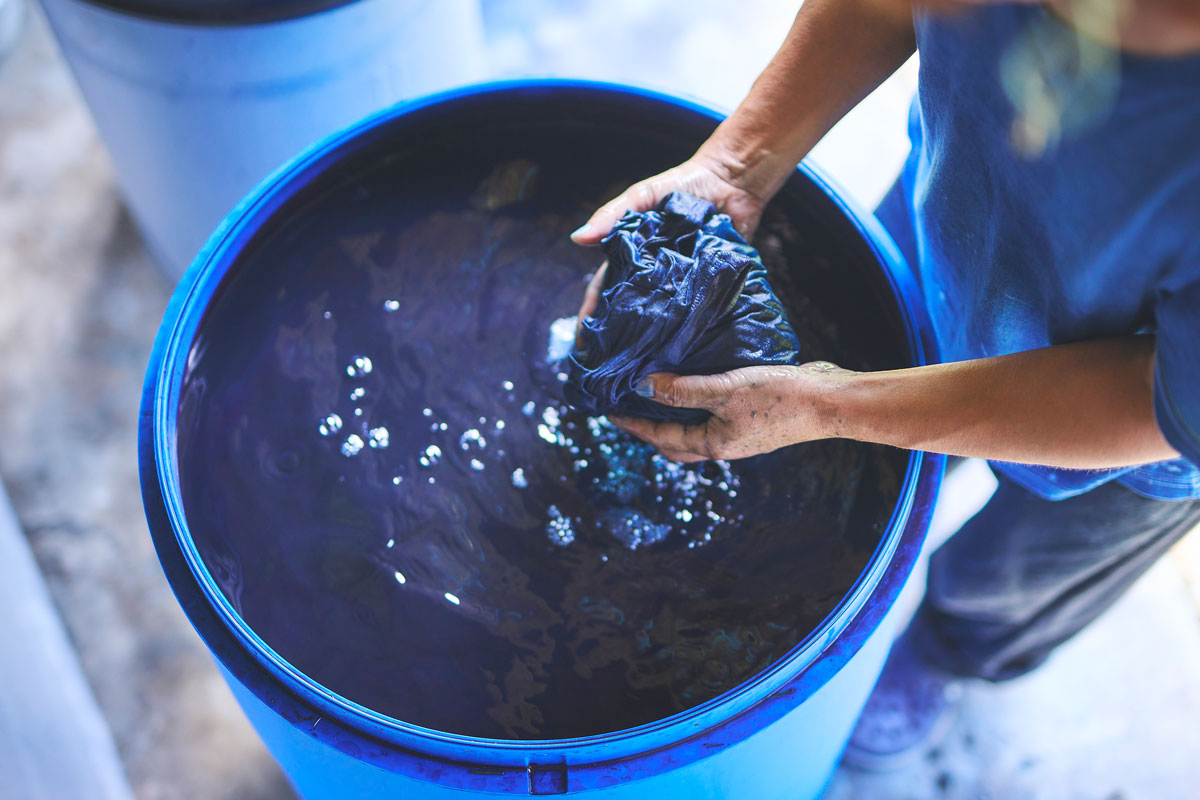
駿河和染(するがわぞめ)
Surugawa Zome
Source:
https://www.city.shizuoka.lg.jp/s2746/s005051.html
https://www.suruga-trad.jp/crafts/wazome/
【History】
Shizuoka has many place names related to textiles, such as Asahata (麻機), Shizuhata (賎機), and Hatori (服織), reflecting its long history as a city with a flourishing textile industry.
Around the Muromachi period, alongside weaving, dyeing techniques also developed. Many dyeing artisans (konya) gathered in the area, forming what became known as Konya-machi (Dyers’ Town). Nearby, indigo (ai) was cultivated as a source of dye.
In the Edo period, dyed products were produced for both samurai and townspeople, including:
Nobori (banners) and hata-sashimono (flags) for samurai
Noren (curtains), hanten (short coats), and work clothes for merchants and craftsmen
Today, Surugawa Zome is not limited to clothing; it is used in interior items, accessories, and miscellaneous goods. Designs have also been developed to suit Western-style lifestyles, with a wide variety of colors and patterns available.
【Characteristics】
Surugawa Zome encompasses many techniques. Six representative methods include:
Indigo dyeing (藍染 / Aizome): Traditional method of dyeing with indigo.
Stencil dyeing (型染 / Katazome): Creating patterns using stencils.
Tube-resist dyeing (筒描き / Tsutsugaki): Using a paper tube to apply resist paste and draw patterns.
Bingata (紅型 / Bingata): Multi-colored dyeing method originating from Okinawa.
Wax-resist dyeing (蝋纈染 / Rōketsuzome): Drawing patterns with wax and dyeing with materials like yamamomo (Chinese bayberry).
Tea-dyeing (茶染 / Chazome): Using tea leaves as a natural dye.
Source: http://www.shizuoka-kougei.jp/craft/suruga-wazome/
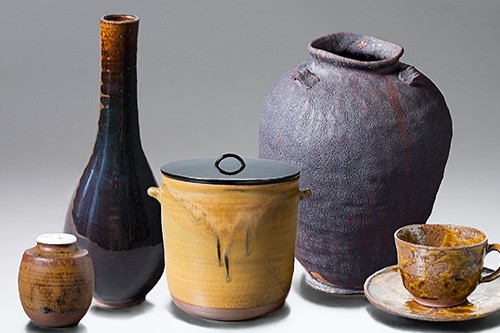
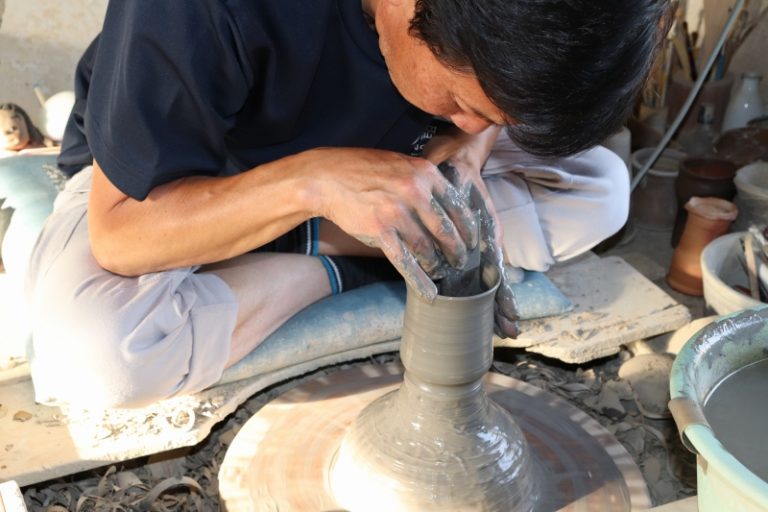
志戸呂焼(しとろやき)
Shitoro ware
Source:
https://www.shizuoka-kougei.jp/craft/shitoro-yaki/
https://oi-river-trip.com/enjoy/spot/activities_06_shitoroyaki/
【History】
The present-day Kanaya region, where Shitoro ware continues to be produced, has long been blessed with high-quality clay. Even before the Muromachi period — when Shitoro ware is said to have originated — pottery-making was already flourishing in the area, as evidenced by the numerous old kiln sites that remain. At that time, people mainly produced simple household items such as jars and pots for their own use.
The name “Shitoro-yaki” comes from the fact that the area around the post town of Nishi-Kanaya along the Ōigawa River was once called Shitoro-go, and the pottery made there was thus named after the region. Later, Shitoro ware gained nationwide recognition when it was favored by Kobori Enshū, a famous tea master, and came to be counted as one of the “Enshū Seven Kilns”.
As for its exact origin, various theories exist — such as that it was established during the Dainei era (1521–1528), that it was founded by potters from Seto, or that it originated during the Keichō era (1596–1615) — but none perfectly match the archaeological evidence of the ancient kilns, and no definitive conclusion has been reached.
(Source to be added)
【Characteristics】
Shitoro ware flourished from the late 15th century through the early modern period, and its history can be broadly divided into three periods.
First period (late 15th century): Tea bowls (Tenmoku) and water pourers were fired using iron glaze and ash glaze.
Second period (late 16th century): Cylindrical tea bowls, sake bottles, incense burners, and small plates were produced.
Third period (early 17th century to the Meiji era): Many jars, pots, bowls, and plates were produced using black glaze.
Most Shitoro ware features a rustic glaze in brown or black, giving it a rich, ancient appearance. The clay used for Shitoro ware comes from the Kanaya area, which is rich in iron and fires hard, making it ideal for tea storage jars that need to resist moisture.
Even today, Shitoro ware is mainly used to produce tea utensils for matcha and sencha. Interestingly, it is said that tea trees grow well in areas where Shitoro clay suitable for tea jars is found.