
Famous Places in Aichi
名古屋城 (Nagoya Castle)
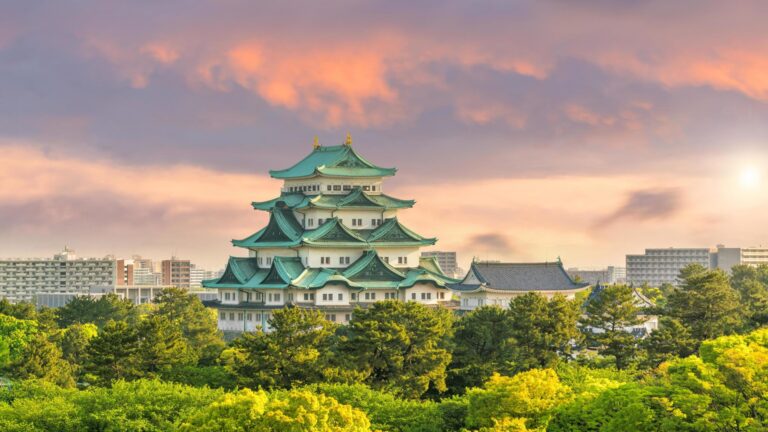
Nagoya Castle, a majestic symbol of Nagoya’s rich history and cultural heritage, is a must-see landmark in the heart of Aichi Prefecture’s capital. Construction began in 1610 under the orders of Tokugawa Ieyasu, founder of the Tokugawa shogunate. The castle served as both a military stronghold and an important political center during the Edo period. Its historical significance is immense, having played an important role in the establishment and development of Nagoya. Today, Nagoya Castle is celebrated for its impressive architecture, including the iconic kinshachi (golden tiger-fish ornaments) that adorn its rooftops, symbolizing prosperity and good fortune.
Visitors to Nagoya Castle can step back in time as they explore its expansive grounds and beautifully reconstructed palace buildings. Although the main keep was destroyed during World War II and rebuilt in 1959, it is currently closed to visitors due to concerns about its earthquake resistance. However, the magnificent Hommaru Palace was faithfully reconstructed and reopened to the public in 2018, showcasing traditional architecture, beautiful artwork, and historical craftsmanship. The surrounding gardens, particularly vibrant during cherry blossom season, offer a peaceful retreat from the city’s hustle and bustle. Throughout the year, the castle grounds also host various cultural events and seasonal celebrations, allowing visitors to experience traditional Japanese culture. Nagoya Castle is more than a reminder of Japan’s feudal past; it remains an important cultural site that continues to captivate visitors.
熱田神宮 (Atsuta Shrine)
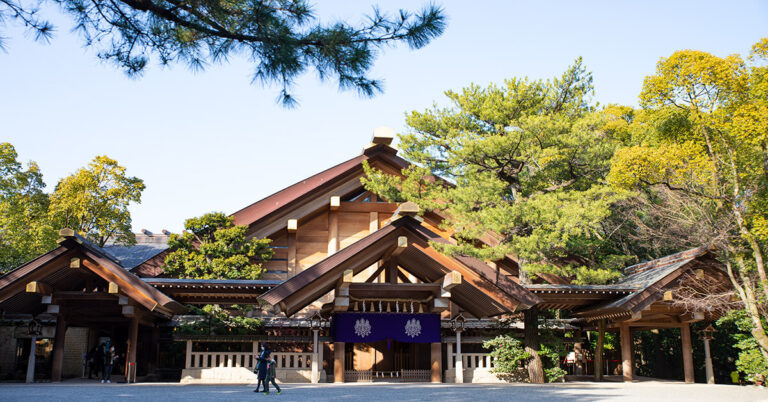
Source: https://www.nagoyaisnotboring.com/exploring-atsuta-jingu-in-nagoya/
Atsuta Shrine, located in the heart of Nagoya, Aichi Prefecture, is one of Japan’s most important and ancient Shinto shrines, attracting millions of visitors and worshippers each year. With a history dating back approximately 1,900 years, this revered shrine is steeped in myth and history. It is dedicated to the sacred Kusanagi-no-Tsurugi (Grass-Cutting Sword), one of the Three Imperial Regalia of Japan, giving it profound spiritual significance. The shrine’s extensive grounds offer a peaceful escape from the city, with towering trees, tranquil pathways, and a serene natural atmosphere providing a place for reflection and renewal.
Atsuta Shrine’s traditional architecture and spiritual atmosphere are complemented by its ceremonial buildings and treasure halls, which display historical artifacts and offer insights into the shrine’s rich cultural heritage. Throughout the year, the shrine hosts numerous traditional festivals and rituals, the most famous being the Atsuta Festival, held on June 5. Visitors can enjoy traditional ceremonies, performances, and evening celebrations. The shrine also plays an important role in preserving Japan’s ancient traditions and culture. Whether seeking spiritual solace, exploring Japan’s history, or simply enjoying the natural beauty, Atsuta Shrine offers a unique experience that connects the past with the present in the heart of Nagoya.
犬山城 (Inuyama Castle)
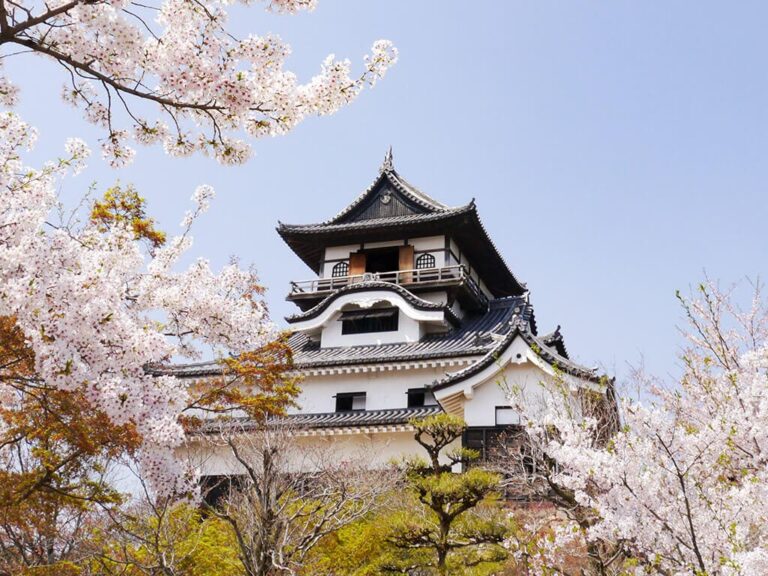
Source: https://www.nagoyaisnotboring.com/inuyama-castle-town/
Inuyama Castle, perched atop a hill overlooking the Kiso River in Aichi Prefecture, is a remarkable testament to Japan’s feudal era and a must-see destination for history enthusiasts and travelers alike. Believed to have been built in 1537 during the Muromachi period, it is one of Japan’s oldest surviving castles, with its original wooden main keep still intact. Recognized as a National Treasure, Inuyama Castle holds great historical significance, having witnessed numerous battles and played an important role in the power struggles of Japan’s Warring States period.
Visitors can climb the castle’s steep wooden stairs to the top floor, where they are rewarded with breathtaking panoramic views of the Kiso River and the surrounding countryside. Inside, the original wooden structure, traditional architectural features, and exhibits of samurai armor and historical artifacts offer a glimpse into the lives of those who once lived and served there. The castle grounds are equally inviting, with cherry blossoms in spring and vibrant foliage in autumn adding to the beauty of this historic site. Inuyama Castle is more than an architectural treasure; it is a symbol of Japan’s history and culture, making it an essential stop for anyone exploring Aichi Prefecture.
明治村 (Meiji Mura)
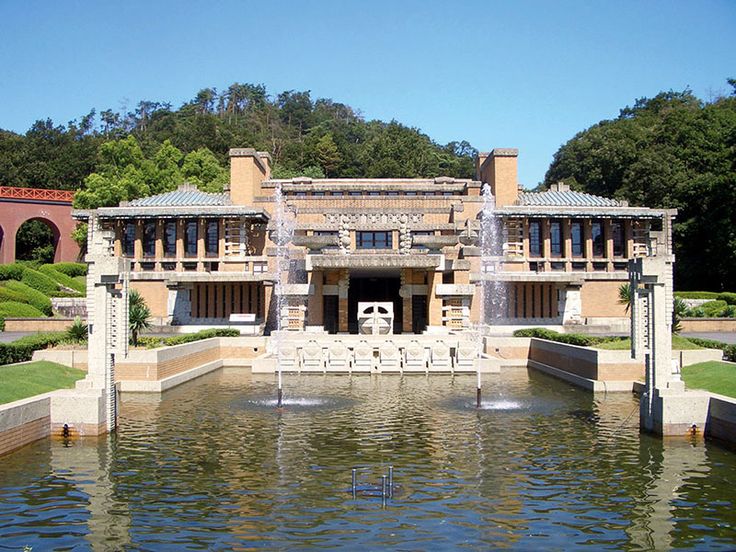
Meiji Mura, located in Inuyama, Aichi Prefecture, is an open-air museum that offers a unique journey back to the Meiji Era (1868–1912), a period of rapid modernization and Westernization in Japan. This expansive park is home to more than 60 historical buildings from across Japan, carefully preserved or reconstructed to recreate life during the late 19th and early 20th centuries. Its collection includes a variety of structures, from residences and government offices to churches and schools, each telling its own story of a country undergoing significant change.
Visiting Meiji Mura is like stepping into a living history book. One of its most iconic structures is the entrance hall and lobby of the former Imperial Hotel, designed by the renowned American architect Frank Lloyd Wright. This architectural masterpiece showcases the blend of Western and Japanese design elements that characterized the era. Beyond its historic buildings, Meiji Mura offers a glimpse into daily life during the Meiji period through cultural exhibits and demonstrations, including traditional printing techniques and kimono dressing. The park also features vintage streetcars and a steam locomotive that visitors can ride, adding to the immersive experience. Meiji Mura is more than a museum; it is a cultural experience that brings history to life, making it a must-visit destination for anyone interested in Japan’s fascinating journey from feudal society to a modern nation.
竹島 (Takeshima Island)
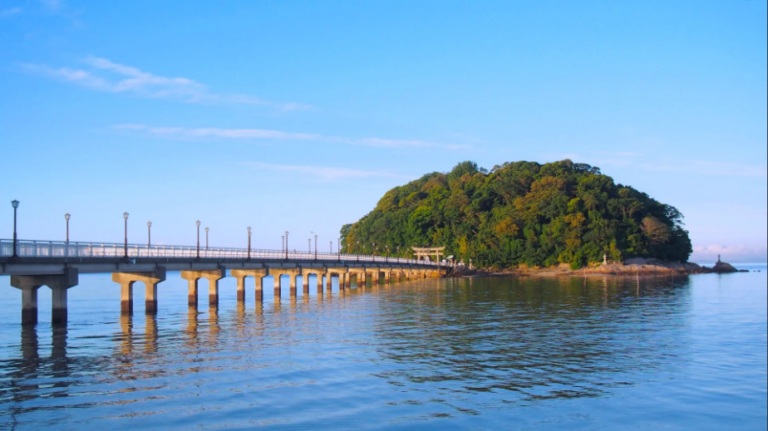
Source: https://aichinow.pref.aichi.jp/en/spots/detail/137/
Takeshima Island, a serene and picturesque destination, is located in Mikawa Bay in Aichi Prefecture. This small yet enchanting island is easily accessible via a scenic bridge from the city of Gamagori, making it a popular escape for visitors seeking natural beauty and tranquility. Takeshima is also known for its rich spiritual heritage, with the historic Yaotomi Shrine located at its center. Dedicated to Benzaiten, the goddess of music, wealth, and eloquence, the shrine is an important place of worship and cultural significance, attracting visitors with its peaceful atmosphere and beautiful ocean views.
The island’s natural landscape is rich in vegetation, providing a habitat for a variety of plant species that thrive in its mild climate. Winding pathways lead visitors through lush greenery to scenic viewpoints, offering a peaceful retreat from the hustle and bustle of city life. The surrounding waters of Mikawa Bay support diverse marine life, making the area popular for fishing and birdwatching. Alongside its natural beauty and spiritual significance, Takeshima is also associated with local legends and folklore, adding a sense of mystery to its captivating scenery. Whether seeking spiritual reflection, natural beauty, or a quiet escape, Takeshima Island offers a unique experience and is a memorable destination in Aichi Prefecture.
ジブリパーク (Ghibli Park)

Source: https://aichinow.pref.aichi.jp/spots/detail/3657/
Ghibli Park offers an enchanting escape into the beloved world of Studio Ghibli, one of Japan’s most iconic animation studios. Opened in November 2022, the park celebrates the imaginative storytelling and intricate artistry that have captured the hearts of audiences worldwide. Unlike traditional amusement parks, Ghibli Park takes a more immersive and relaxed approach, inviting visitors to step into the worlds of Studio Ghibli films, from the whimsical charm of My Neighbor Totoro to the fantastical adventures of Spirited Away. It is a place where reality and imagination blend, creating a memorable experience for fans of all ages.
Located within Expo 2005 Aichi Commemorative Park, Ghibli Park celebrates the studio’s legacy through carefully crafted exhibits, recreations of iconic scenes, and immersive attractions. Visitors can explore areas such as Ghibli’s Grand Warehouse, Dondoko Forest, and Hill of Youth, each designed to capture the magical atmosphere of the films. The park’s natural surroundings also reflect Studio Ghibli’s appreciation for nature and the environment, creating a peaceful setting where storytelling and the natural world come together. Whether you are a longtime fan or discovering Studio Ghibli for the first time, Ghibli Park offers a memorable journey into the creativity and imagination that have made the studio a cultural treasure.