
Mie’s Traditional Crafts
Banko Ware
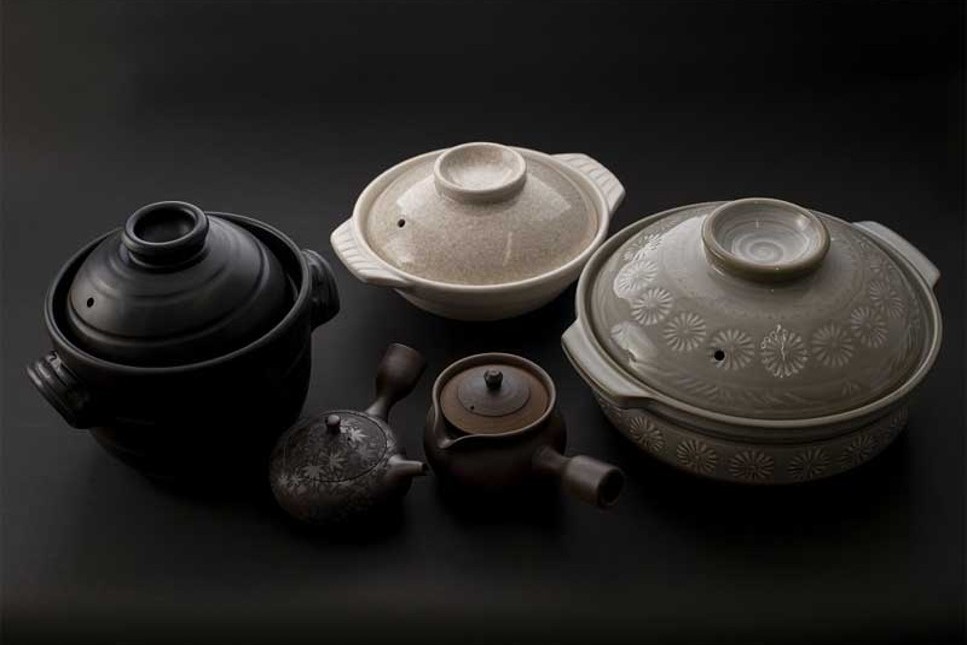
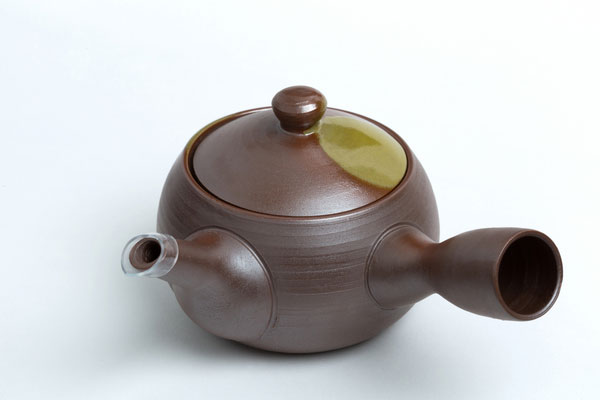
Source:
https://ryuryoku.com/1804.html
https://kogeijapan.com/locale/ja_JP/yokkaichibankoyaki/
【History】
The name Banko ware comes from the seals “Banko” and “Banko Fueki,” which were stamped onto pottery by its founder, Rōzan. The phrase Banko Fueki means “eternally unchanging” and expressed his wish that his pottery would remain timeless. This is believed to be the origin of the name Banko ware.
Today, the Banko Festival is held around mid-May each year near Banko Shrine in Yokkaichi City, Mie Prefecture. The event features pottery and ceramics created by local kilns and artisans, which are displayed and sold to visitors. It attracts pottery enthusiasts and visitors from across Japan.
【Characteristics】
High Heat Resistance and Unique Techniques
Banko ware is particularly famous for its donabe (Japanese clay pots), with Yokkaichi Banko ware accounting for approximately 80–90% of Japan’s domestic donabe production. Its clay contains lithium-bearing minerals, which give the pots excellent heat resistance and allow them to withstand direct heat from a flame. This makes them especially suitable for cooking traditional Japanese hot pot dishes.
The Deepening Beauty of Shidei Teapots
Another distinctive feature of Banko ware is its shidei teapots, made using iron-rich clay. During firing, the iron reacts with the heat, creating a characteristic reddish-brown color and unique texture. With continued use, the surface gradually develops a beautiful luster, giving each teapot a deeper and more refined appearance over time.
Ise Momen / Ise Cotton
Source:
https://isemomen.com/kimono/
https://kimonoomohi.com/kind/isemomen/
https://www.jtco.or.jp/japanese-crafts/?act=detail&id=225
【History】
During the Nara period (710–794), the Yamato Court introduced brocade-weaving techniques to Japan. Cotton seeds were later brought to Japan during the Muromachi period (1336–1573). With its suitable soil, water, and climate, the Ise region gradually developed into a major cotton-producing area. Sardines were also used as fertilizer during the winter, supporting local cotton cultivation.
From the 17th century onward, Ise became known for its Shirakumoori (White Cloud Weave) and Ise Sarashi (bleached cotton fabric). Striped patterns also became popular, and cotton textiles produced in the region came to be known as Ise Momen. Merchants sold these fabrics in large quantities at shops in Odenma-cho, Edo (present-day Tokyo), and their distribution network eventually extended as far as the Tohoku region and Hokkaido.
【Characteristics】
Unlike ordinary cotton fabric, which can become stiff after washing, Ise Momen becomes softer with each wash, developing a comfortable texture and a rustic appearance reminiscent of antique fabric.
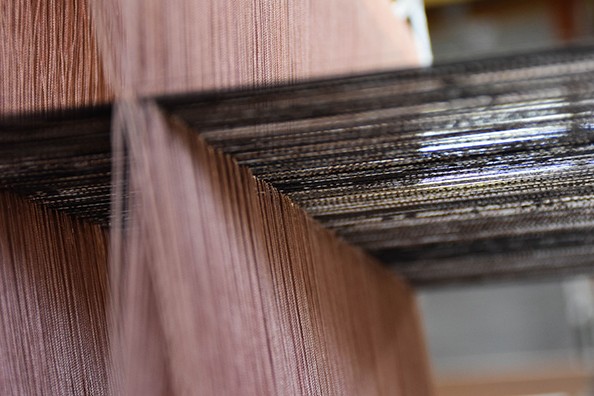
The fabric is woven using soft cotton yarn known as tanshi, made by twisting cotton fibers into single-ply threads. These delicate threads require traditional weaving methods, as the high speeds of modern industrial looms can cause them to break.
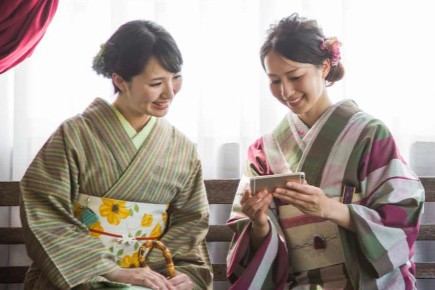
Ise Momen is commonly used for cotton kimono and can be washed at home. It is recommended to place the fabric in a large laundry net and use the washing machine’s delicate cycle.
Traditional Ise Momen is woven using Toyota-style automatic looms dating back to the Meiji period (1868–1912). The preservation of these traditional weaving methods helps maintain the fabric’s distinctive softness and texture.