
Kimono
The Art of Japanese Clothing, Admired Across the World
What is Kimono
Kimono are traditional Japanese garments with over 1,000 years of history.
Their beautiful dyeing and weaving techniques, refined patterns, and high-quality fabrics…
However, in modern times, many kimono remain stored away in closets simply because there are fewer opportunities to wear them.
We bring that beauty into modern life.
We transform kimono into wearable art that you can enjoy every day.
History
Kimono have been passed down since the Heian period, evolving in form and style through the ages. During the Edo period, as merchant culture flourished, a wide range of designs and dyeing techniques blossomed, and kimono came to be valued not just as clothing, but as works of art.
Today, while honoring tradition, new interpretations continue to emerge, expressing kimono in many forms—from everyday wear to fine art.
Wearable Art
Unisex
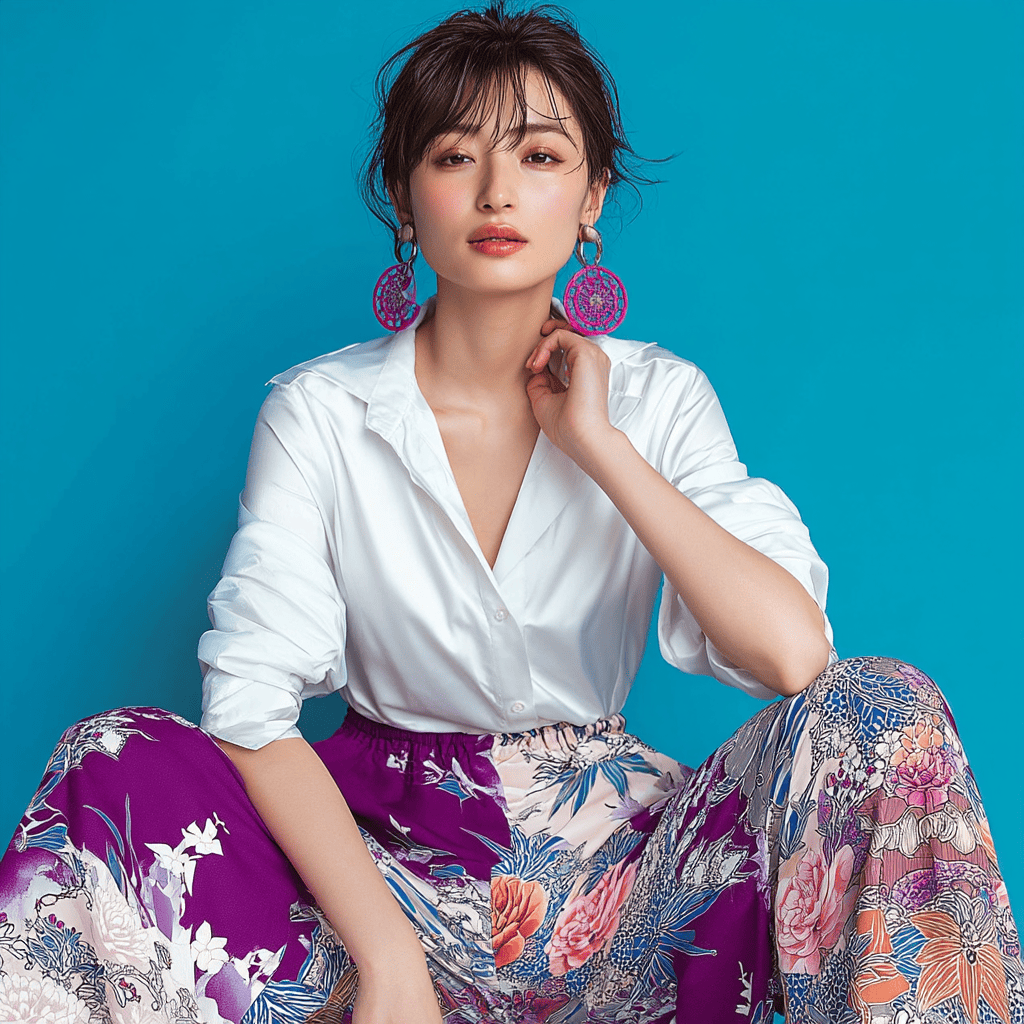
Kimono have been reimagined as unisex wear, including aloha shirts and unique footwear.
View Unisex Collection →Accessories
Kimono are transformed into bags, pouches, and accessories—becoming items to cherish.
View Accessories →The Art of Kimono
A kimono is not merely clothing.
It embodies craftsmanship refined over generations,
a profound reverence for nature and the seasons,
and the emotions woven into its fabric—
all condensed into a single piece of cloth.
01
Craftsmanship
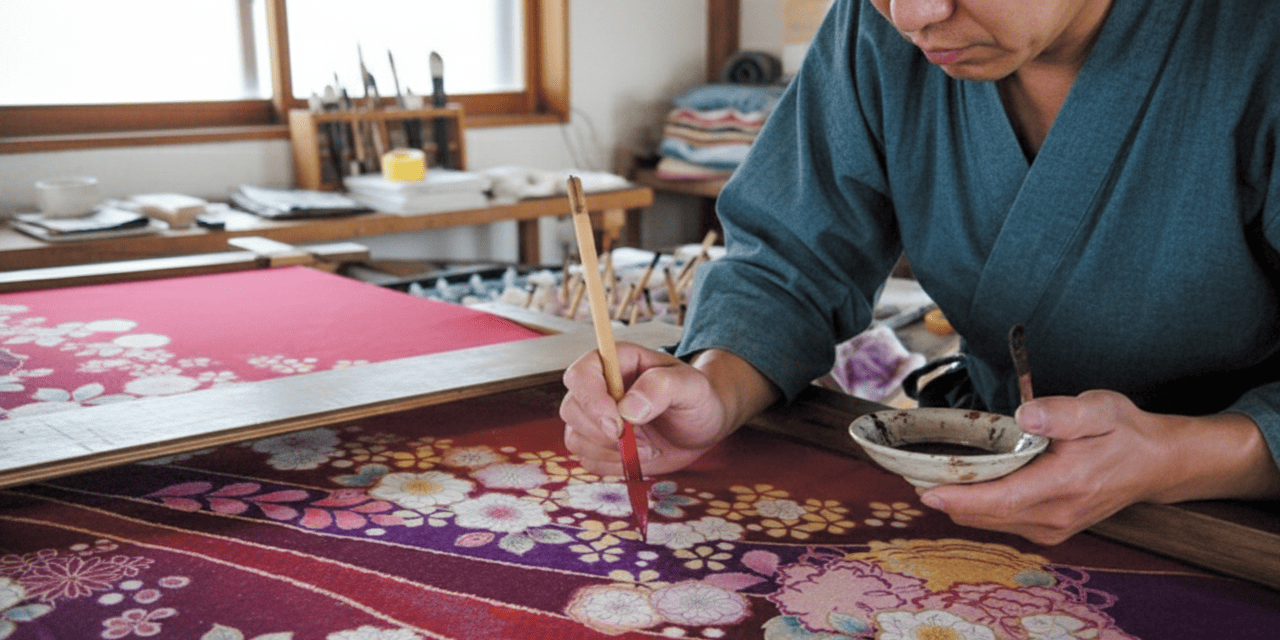
Kimono are created using dozens of traditional techniques, including Yuzen dyeing, shibori tie-dye, embroidery, and gold-leaf decoration. To complete a single kimono, multiple artisans spend months carefully layering colors and details. This beauty of handcraft can never be replicated by machines.
02
Symbolism
Cherry blossoms symbolize the arrival and fleeting beauty of spring, pine trees represent longevity, and cranes stand for happiness. Every pattern on a kimono carries its own meaning. Colors, too, are chosen to reflect the seasons and occasions, expressing the wearer’s hopes and feelings. Reverence for nature and the milestones of life—kimono wrap the wearer in stories that words alone cannot tell.
03
Timeless Beauty
Even kimono from over 100 years ago can still be worn beautifully today. Their timeless designs, high-quality materials, and careful craftsmanship allow kimono to be passed down through generations. As time deepens their texture and the memories woven into them, each kimono becomes even more special.
Dyeing Techniques
Kyoto Yuzen, Edo Komon, and shibori dyeing techniques cultivated across regions of Japan. Layers of delicate color and intricate patterns reflect the skill and sensibility of the artisans in every step of the process.
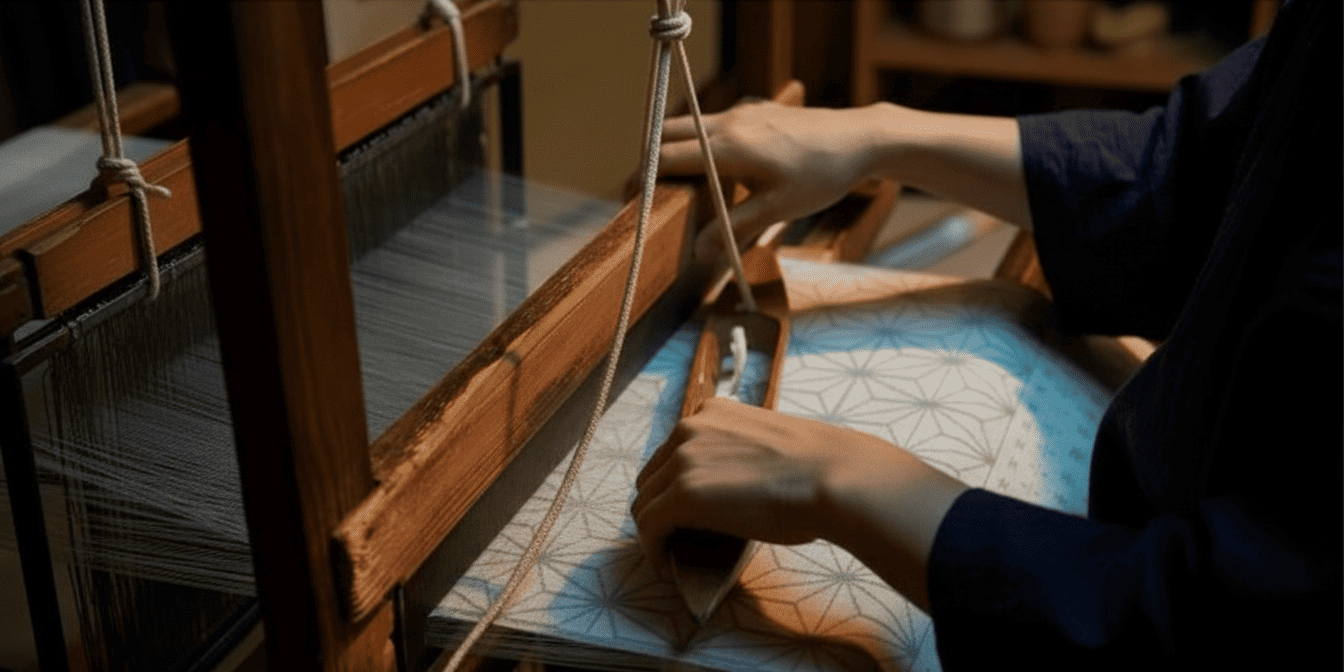
Weaving Techniques
Nishijin-ori, Oshima Tsumugi, and Yuki Tsumugi. Each weaving method creates its own unique texture and luster. From selecting the threads to the final weave, every step is guided by the skill of master artisans.
Reimagined for Today
The beauty of kimono remains unchanged.
Evolving to fit seamlessly into your everyday life.
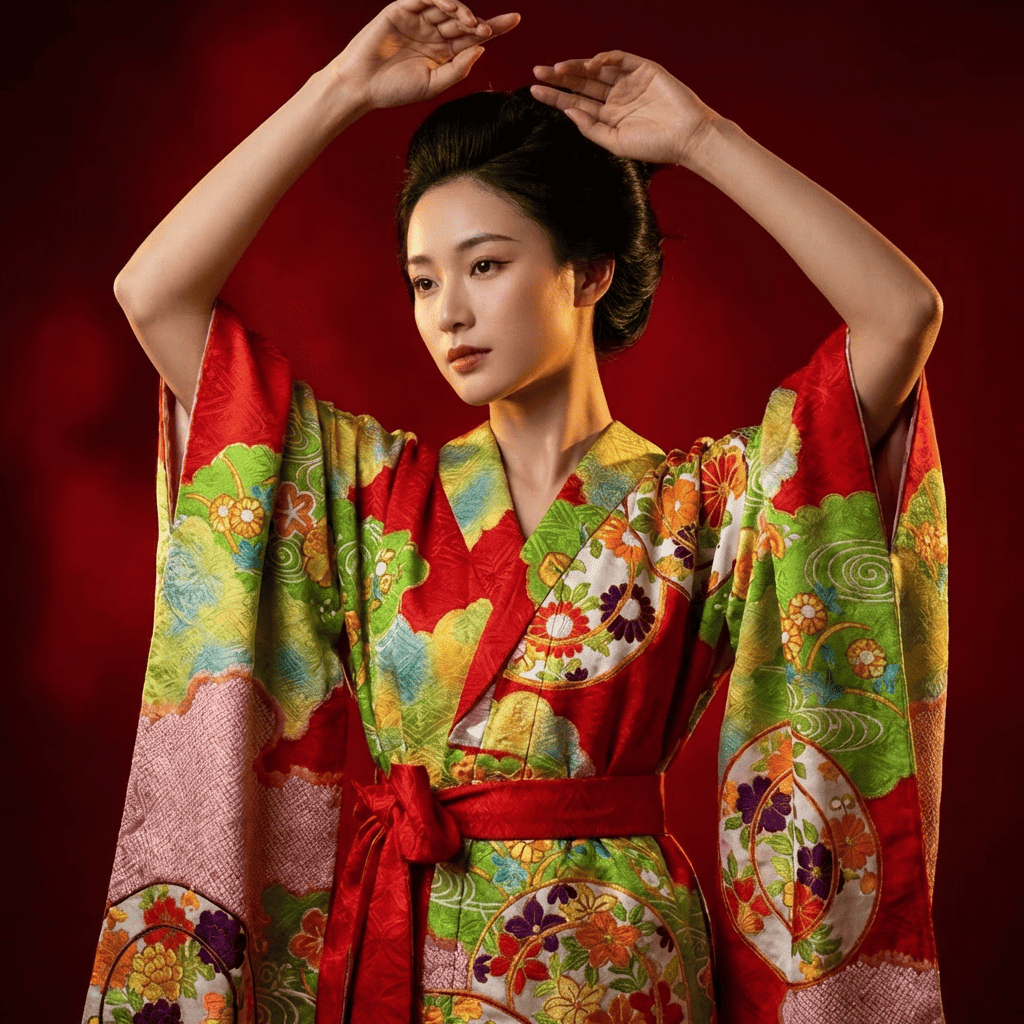
Clothing
T-shirts, jackets, and shoes created from kimono fabrics, bringing traditional beauty into everyday style.
Accessories
Bags and pouches featuring kimono patterns. Their distinctive designs add color and character to your style.
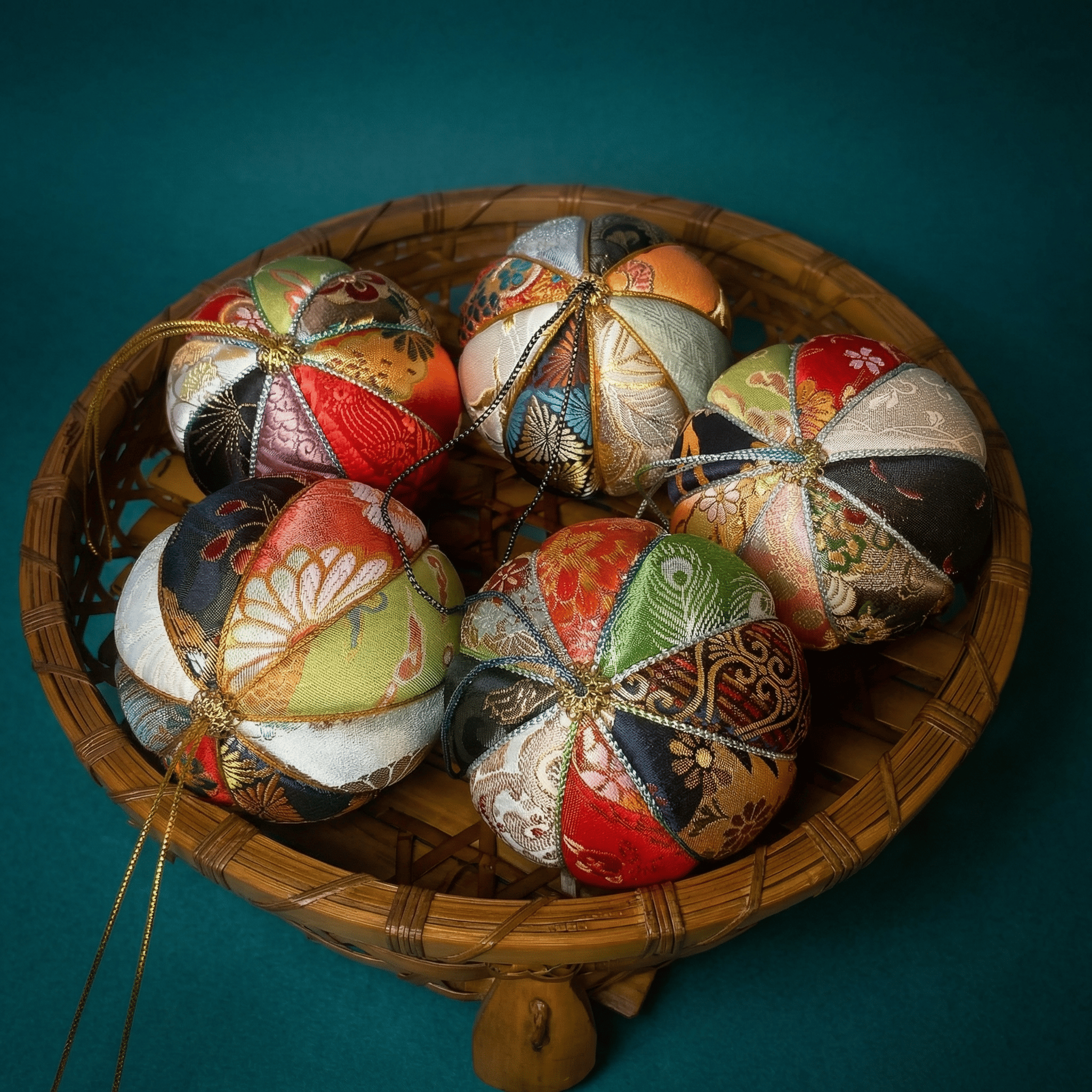
Kimono in Everyday Living
Bring the beauty of kimono into your life style.
From framed wall art to ornaments and storage pieces, Japanese tradition adds color and elegance to everyday life.
Find Your Kimono
Bring Japanese beauty into your everyday life.
Each one-of-a-kind piece is available on a first-come, first-served basis.