
Shizuoka's Traditional Crafts
Surugawa Zome / Traditional Shizuoka Dyeing

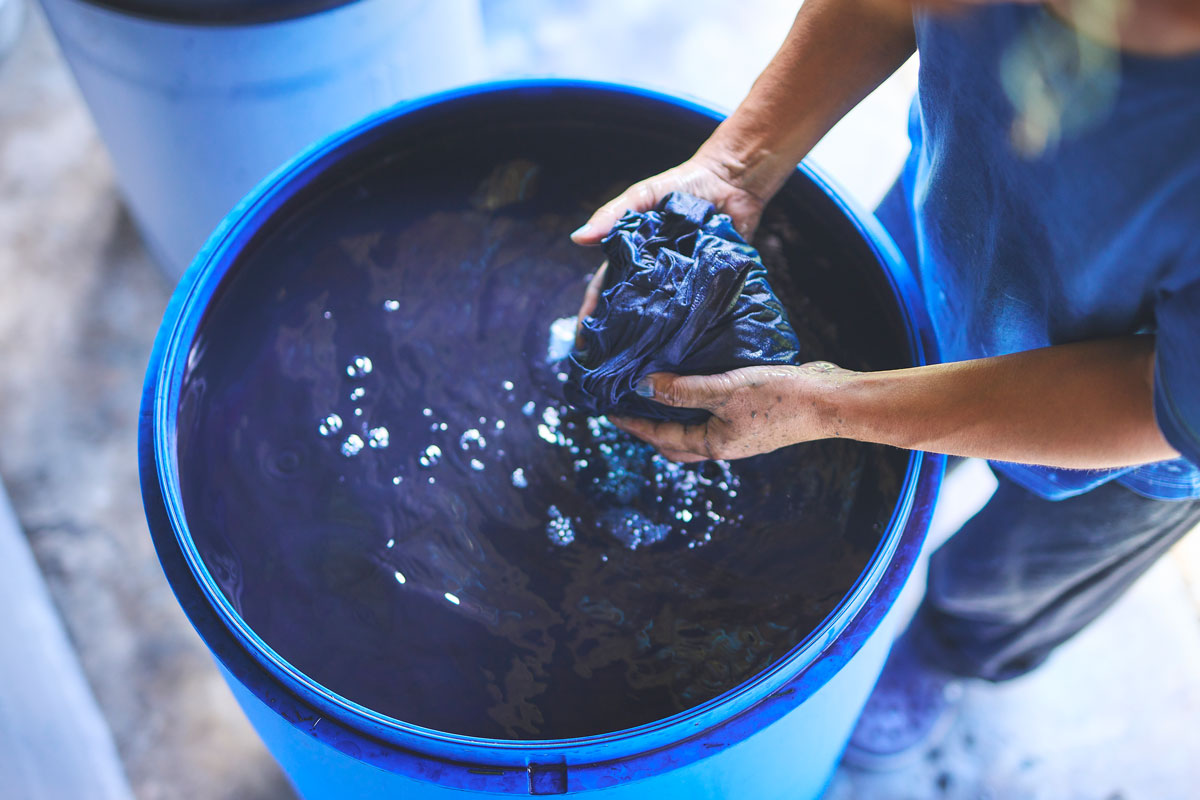
Source:
https://www.city.shizuoka.lg.jp/s2746/s005051.html
https://www.suruga-trad.jp/crafts/wazome/
【History】
Shizuoka has a long history of textile production, reflected in place names such as Asahata, Shizuhata, and Hatori, which are associated with weaving and textiles. During the Muromachi period (1336–1573), dyeing techniques developed alongside weaving. Many dyeing artisans, known as konya, gathered in the area, forming a district called Konya-machi (Dyers’ Town). Indigo was also cultivated nearby as a natural source of dye.
During the Edo period (1603–1868), dyed textiles were produced for both samurai and townspeople. These included banners and military flags for samurai, as well as noren (shop curtains), hanten (short coats), and work clothes for merchants and craftsmen. Today, Surugawa Zome is used not only for clothing but also for interior decorations, accessories, and everyday goods. Traditional designs and techniques have also been adapted to modern lifestyles, offering a variety of colors and patterns.
【Characteristics】
Surugawa Zome includes a variety of traditional dyeing techniques. Six representative methods are:
- Indigo Dyeing (Aizome): A traditional technique that uses natural indigo to create rich blue shades.
- Stencil Dyeing (Katazome): Uses paper stencils to apply patterns to fabric.
- Tube-Resist Dyeing (Tsutsugaki): Uses a paper tube to apply resist paste, creating patterns that remain undyed after the fabric is colored.
- Bingata: A colorful stencil-dyeing technique originating in Okinawa, known for its vibrant patterns.
- Wax-Resist Dyeing (Rōketsuzome): Uses wax to create patterns by preventing dye from reaching certain areas of the fabric.
- Tea Dyeing (Chazome): Uses tea as a natural dye to produce soft, earthy colors.
Shitoro ware
【History】
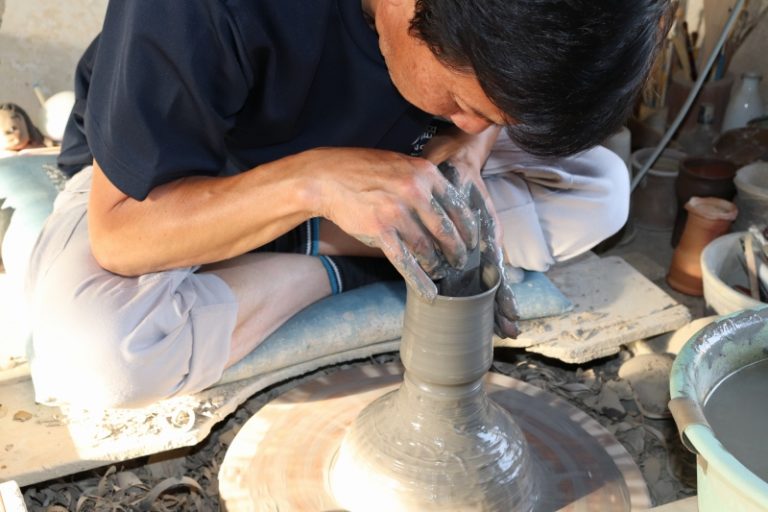
The Kanaya area of Shizuoka Prefecture, where Shitoro Ware is still produced, has long been known for its high-quality clay. Pottery-making was already well established in the area before the Muromachi period (1336–1573), as shown by the remains of numerous old kiln sites. Early pottery mainly consisted of simple household items, such as jars and pots, made for everyday use.
The name Shitoro Ware comes from Shitoro-go, the former name of the area near Nishi-Kanaya, a post town along the Oi River. The pottery produced in this region eventually became known by the same name. Shitoro Ware gained wider recognition after being favored by Kobori Enshu, a famous tea master, and became one of the Enshu Seven Kilns, a group of pottery kilns associated with his aesthetic preferences.
The exact origins of Shitoro Ware remain uncertain. Various theories suggest that it began in the early 16th century or was established by potters from the Seto region. However, no single theory has been definitively confirmed.
【Characteristics】
The history of Shitoro Ware can be broadly divided into three periods:
- First period (late 15th century): Potters produced Tenmoku tea bowls and water pourers using iron and ash glazes.
- Second period (late 16th century): Production expanded to include cylindrical tea bowls, sake bottles, incense burners, and small plates.
- Third period (early 17th century to the Meiji period): A wider range of everyday pottery, including jars, pots, bowls, and plates, was produced using black glaze.
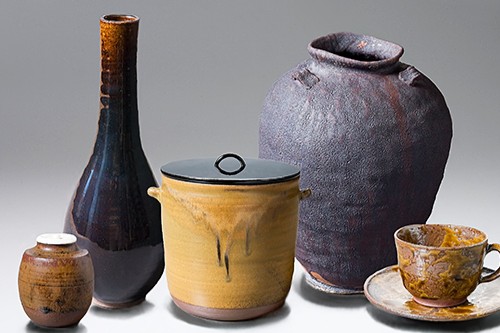
Shitoro Ware is known for its rustic brown and black glazes, which give the pottery a distinctive, antique appearance. The local clay from the Kanaya area is rich in iron and produces strong, durable pottery. Its properties make it particularly suitable for tea storage jars, which need to protect tea leaves from moisture.
Today, Shitoro Ware is primarily used to make tea utensils for matcha and sencha. The region’s connection to tea culture is also reflected in the local clay, which is traditionally associated with areas where tea plants grow well.